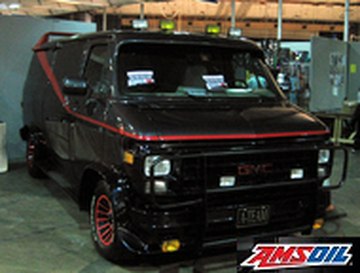
Maintaining Lubrication Standards for the 1981 Gmc Trucks G2500 HD VAN 5.7L
Proper engine maintenance is a cornerstone of long-term vehicle health, particularly for heavy-duty applications like the 1981 Gmc Trucks G2500 HD VAN. When managing a vehicle with a 5.7L engine, consistent attention to lubrication and fluid integrity ensures that mechanical components continue to operate within their intended parameters. Because these vehicles are often utilized for significant tasks, understanding how to monitor and maintain the engine's oiling system is essential for any owner or technician.
Monitoring Fluid Integrity and Potential Leaks
One of the most effective ways to assess the current state of an engine is through regular visual inspections. For a vehicle of this age, checking for signs of fluid seepage is a practical priority. It is helpful to look at the areas surrounding the engine block and various sealing surfaces to identify any evidence of active leaks or dampness that might indicate a failing gasket or seal. Identifying these issues early can prevent more significant complications down the line.
Beyond looking for external leaks, it is useful to observe the appearance of the oil itself during routine checks. If the lubricant appears excessively dark, gritty, or shows signs of unusual contamination, it may warrant an investigation into the engine's current operating condition. Furthermore, if you notice any unexpected changes in how much oil the engine seems to use between service intervals, this should be documented and investigated. Such changes can be associated with various mechanical factors that require professional attention.
Observing Operational Warning Signs
A proactive approach to maintenance involves being attentive to how the vehicle behaves during operation. While many issues are not immediately apparent, certain symptoms can serve as indicators that the lubrication system or other engine components require closer inspection. For example, unusual mechanical noises coming from the engine compartment should never be ignored. These sounds can sometimes be linked to changes in lubrication quality or pressure.
Additionally, keep a close eye on any dashboard indicators. If an oil-related warning light illuminates, it is a signal that requires immediate investigation to determine the cause. It is also important to note if there are any changes in exhaust characteristics, such as unusual smoke, which may indicate that oil is entering the combustion process. Because these symptoms can have multiple underlying causes—ranging from simple sensor issues to more complex mechanical concerns—they should be treated as prompts for a thorough diagnostic check rather than definitive proof of a specific part failure.
Prioritizing Maintenance Based on Current Condition
For owners of a 1981 Gmc Trucks G2500 HD VAN, effective long-term ownership often means moving away from rigid schedules and toward condition-based maintenance. Rather than assuming parts need replacement simply because of the vehicle's age, it is more efficient to prioritize tasks based on what the engine actually requires. This involves a careful review of any available service history and a realistic assessment of how the vehicle has been used.
If you are working with a vehicle where the previous maintenance history is unknown, establishing a baseline is a wise first step. This can be done by performing a comprehensive inspection of all fluids, filters, and accessible engine components. Once a baseline is established, you can more easily identify deviations, such as new leaks, increased consumption, or changes in fluid color. Addressing active concerns—such as an identified leak or a change in operating temperature—should always take precedence over general preventive measures that do not appear necessary based on the vehicle's current state.
Managing Aging Engine Components
As vehicles age, certain materials and components naturally undergo changes. When performing routine service on this 5.7L engine, it is beneficial to inspect aging parts that are subject to heat and chemical exposure. This includes checking the condition of accessible belts, if equipped, for signs of cracking, glazing, or fraying. Similarly, inspecting hoses, if present, for brittleness or swelling can help prevent unexpected failures.
Electrical connections and wiring harnesses should also be examined for signs of corrosion or insulation degradation. Maintaining clean and secure electrical paths is vital for the proper operation of sensors and ignition components. By focusing on these physical inspections during every oil service, you can distinguish between parts that are simply aging gracefully and those that are approaching a point of functional failure.
The Role of High-Mileage Formulations
When an engine has accumulated significant service time, owners often consider different lubricant types. It is worth noting that some high-mileage oil formulations contain additives specifically intended for use in aging engines. These formulations may include seal-conditioning additives designed to help maintain the integrity of various gaskets and seals. While these products are a common option for older applications, they should be selected based on the specific needs and observed condition of the engine rather than as a universal solution.
Practical Steps for Buying Engine Oil for your 1981 Gmc Trucks G2500 HD VAN 5.7L
Selecting the correct lubricant is the most critical step in any oil service. To ensure the longevity of the 5.7L engine, you must match the engine oil to the application-specific viscosity information already displayed on this page. Do not rely on general automotive knowledge or assumptions based on the vehicle's year or engine size to determine the correct grade.
When you are ready to purchase your supplies, follow these practical guidelines:
- Verify Viscosity: Always match the oil you purchase to the specific viscosity listed in the application information provided above.
- Check API Certification: Ensure that the product carries the appropriate API certification for your needs, confirming it meets modern quality and performance standards.
- Evaluate Oil Type: Depending on your maintenance goals and the engine's condition, you may choose between conventional, synthetic blends, or full synthetic oils. If the engine shows signs of significant age, consider whether a high-mileage formulation is appropriate for your specific situation.
- Inspect Labels: Always read the product packaging carefully to confirm that the oil meets the technical requirements for your vehicle before completing your purchase.